
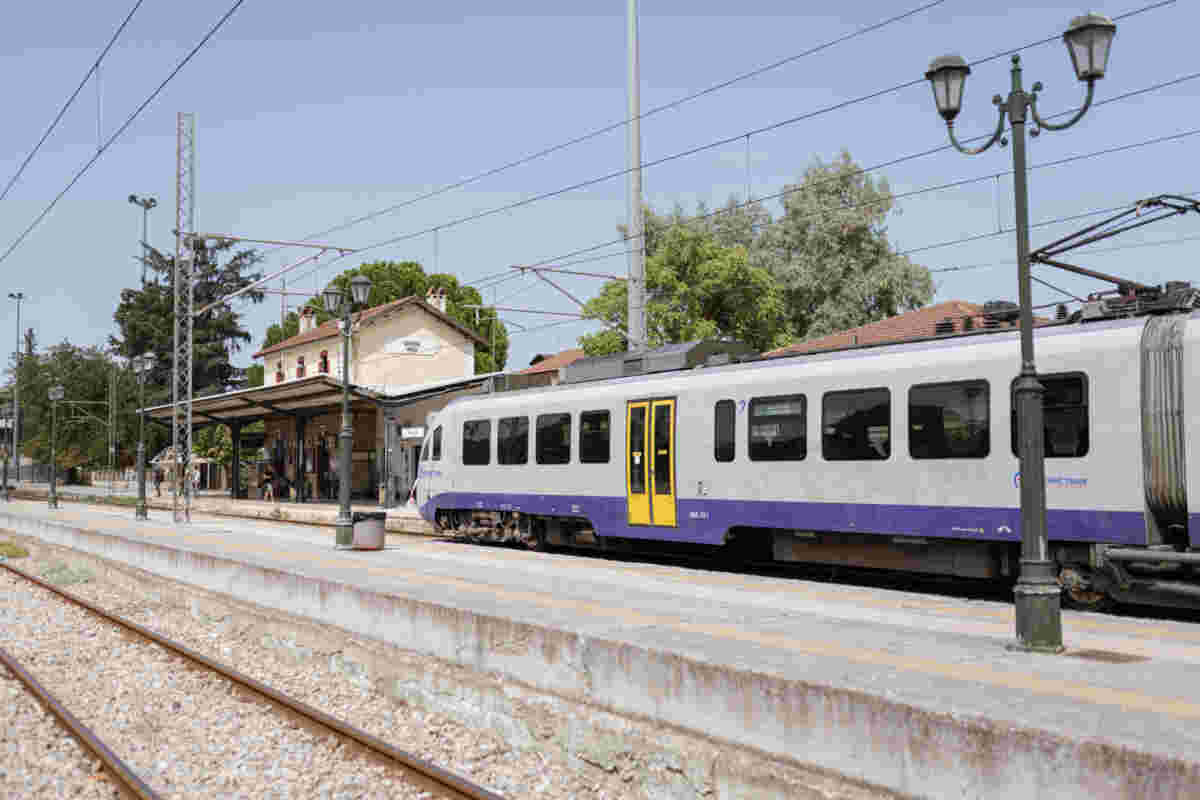
HELLENIC TRAIN
The société anonyme TRAINOSE S.A., established on 19 December 2005, was initially founded as a wholly owned subsidiary of OSE S.A.
As of 1 January 2007, following the completion of the spin-off and transfer of the relevant business sector from its parent company OSE S.A., TRAINOSE S.A. assumed the operation and commercial management of all rail transport services, both passenger and freight. Since then, it has operated as a fully independent company, with a distinct administrative and organisational structure, in accordance with the applicable European regulatory framework.
The company is headquartered in Athens and maintains a nationwide presence and operational activity directly connected to the railway network.
In July 2007, the merger by absorption of PROASTIAKOS S.A. into TRAINOSE S.A. was completed, expanding the company’s scope of activities to include the management and operation of suburban railway services.
In December 2008, OSE S.A. transferred all shares of TRAINOSE S.A. to the Hellenic Republic, which, as of 31 December 2008, held 100% of the company’s share capital.
In April 2013, all shares were transferred to the Hellenic Republic Asset Development Fund (HRADF/TAIPED), which subsequently became the company’s sole shareholder.
On 18 January 2017, the agreement for the sale of 100% of TRAINOSE S.A. to the Ferrovie dello Stato Italiane (FSI) Group was signed for a total consideration of €45 million. The transaction was completed on 14 September 2017, marking the company’s integration into the Italian railway group.
The company now operates under the corporate name Hellenic Train.
The Ferrovie dello Stato Italiane Group
The Ferrovie dello Stato Italiane (FSI) Group is among the largest railway groups in Europe, with a presence in countries including France, Germany, the Netherlands, Spain, Romania and the United Kingdom.
The Group employs more than 75,000 people and annually serves approximately 830 million passengers, while transporting around 50 million tonnes of freight.
Activity
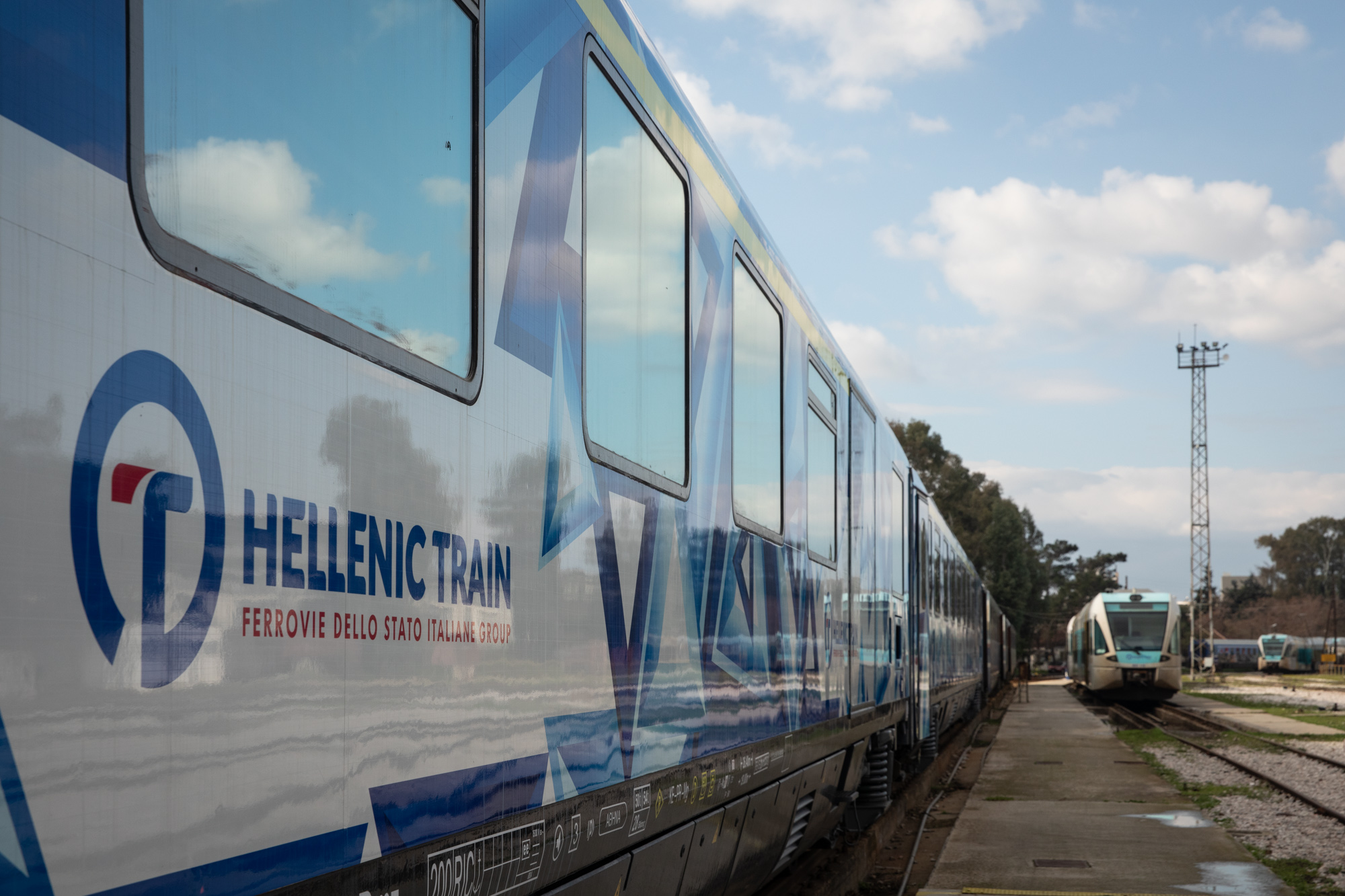
Hellenic Train is the main provider of passenger and freight rail transport services in Greece. Its services are provided through the national railway network, owned by OSE, against the payment of the applicable access charges.
The company operates hundreds of services daily, serving passengers on urban, suburban and intercity routes, while also providing freight transport services.
Indicative figures
- 447 daily services (passenger and freight trains, as well as buses)
- 14.4 million passengers (2025 figures)
- 13.7 million on suburban and regional lines
- 0.7 million on IC services
- 577,000 tonnes of freight transported
Hellenic Train employs more than 1,200 people and operates an extensive rolling stock fleet.
Institutional framework and international presence
The company is supervised by the Regulatory Authority for Railways (RAS) and participates, either independently or through its parent company, in major international railway organisations, including:
- International Union of Railways (UIC)
- Community of European Railway and Infrastructure Companies (CER)
- International Rail Transport Committee (CIT)
- Forum Train Europe
This participation strengthens the company’s international connectivity and access to specialised expertise.
Purpose and scope of activities
The company’s main areas of activity include:
- Passenger and freight rail transport services (urban, suburban, regional, intercity and international)
- Combined transport services
- Bus transport services
- Logistics services
- Passenger support services
- Consultancy services
Commitment to passengers
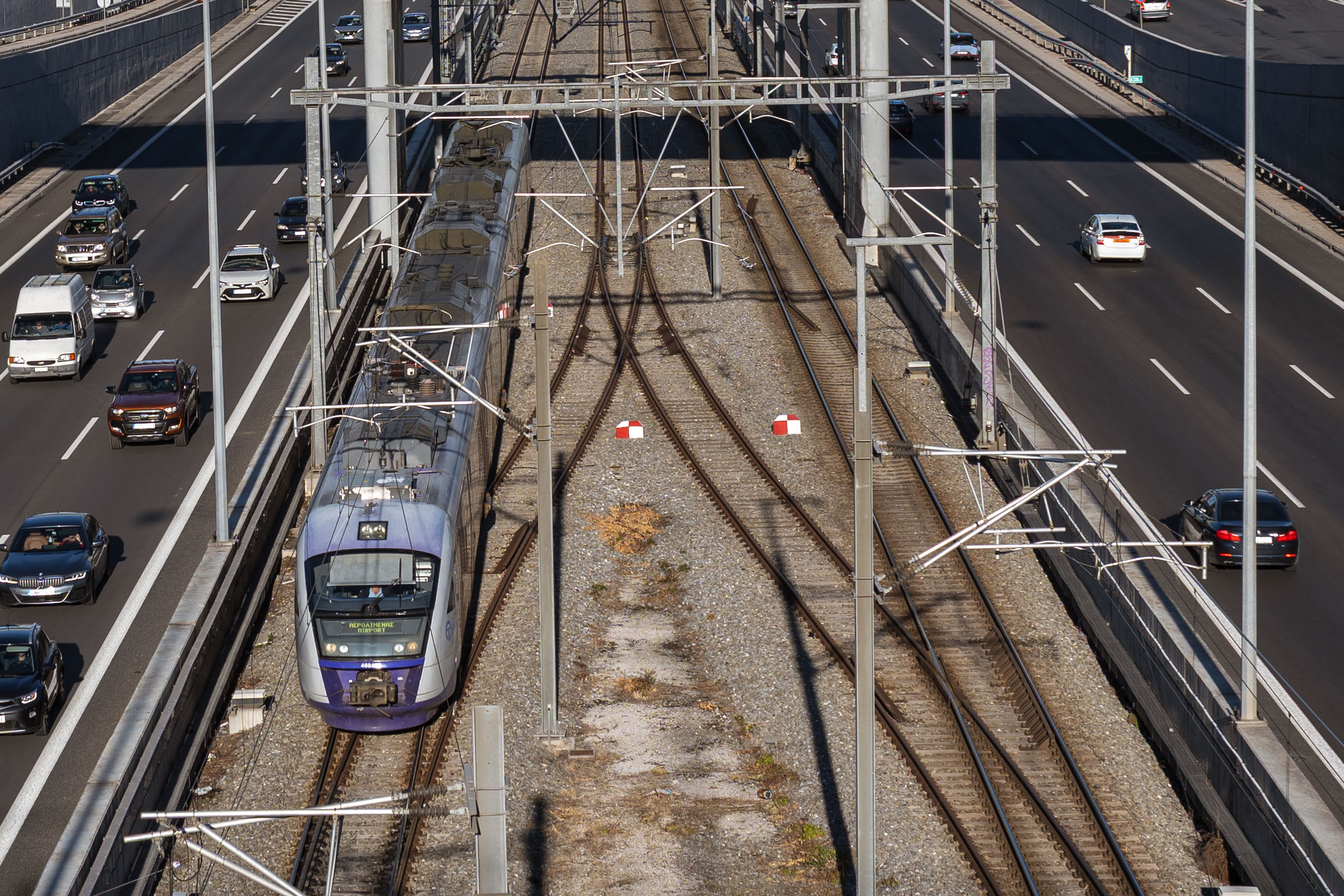
With respect for passengers and a strong focus on the continuous improvement of its services, Hellenic Train invests in modern infrastructure and technology, aiming to provide reliable and high-quality transportation.
The company’s profile is closely associated with the professionalism of its employees and its specialised personnel, who are trained to promote and continuously improve the services offered to passengers. For Hellenic Train, maintaining an excellent relationship with the travelling public and reinforcing this relationship through values such as respect, mutual trust and reliability remain key priorities.
At the same time, recognising the important role it plays within the local communities it serves, the company acts as a responsible social partner in all regions where it operates.


